
Service, Sacrifice, and Successorship
The Glass Bead GameThis flow traces the novel’s recurring pattern in which a vocation is passed on through acts of service, loss, and reluctant succession.
increasing Bearing strength in each event
 decreasing
Bearing strength in each eventdecreasingKnecht’s Name and Function

The Servant Ideal
A Castalian Reading
The narrator treats Knecht’s name and career as signs of service to the whole. Individual distinction is acceptable when it strengthens the hierarchy.
A Complication
Knecht’s later departure makes the ideal difficult to contain. Service may require obedience to a new task beyond the institution that formed him.
Turu’s Inheritance

A Craft Passed On
Initiation
Turu slowly teaches Knecht the observations and rituals required for rainmaking. Learning entails patience, imitation, and acceptance of communal responsibility.
Successor Prepared
Knecht becomes the next Rainmaker and later trains his son. Tradition survives through personal relationships, not through an impersonal archive.
Dion’s Reversal
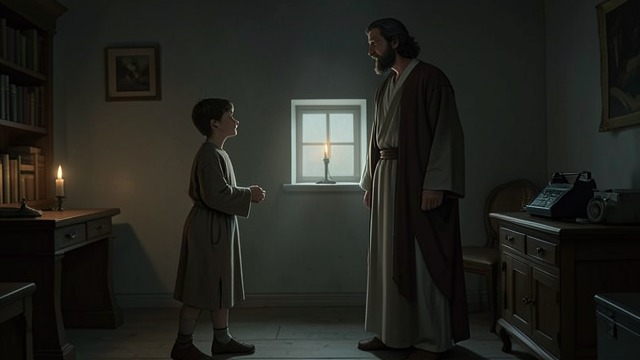
The Guide Needs Help
Shared Vulnerability
Dion reveals that he too had despaired of his vocation. Josephus’s arrival gives the older confessor an opportunity to serve by responding to another’s crisis.
Continuing Work
Dion trains Josephus to assist and eventually succeed him. Transmission becomes reciprocal rather than a simple transfer of authority.
Knecht’s Resignation

Service beyond Appointment
A Voluntary Break
Knecht returns the insignia of office and leaves without a sanctioned transfer. His action challenges the idea that institutional assignment exhausts a person’s duty.
An Alternative Calling
He seeks work with a student rather than a new high office. Service becomes direct, local, and vulnerable to failure.
Tito’s Inheritance
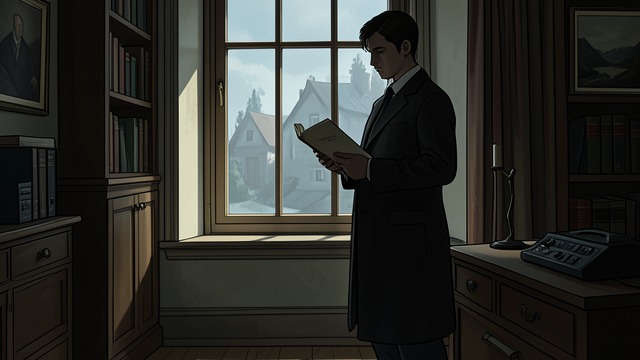
An Unfinished Succession
A Teacher’s Death
Knecht dies before his new educational work can become a settled vocation. Tito, who has only just begun to trust him, is left with grief and guilt.
The Next Task
Tito must decide what the event will mean for his life. The novel passes responsibility forward without presenting a completed or guaranteed outcome.
During the narrator’s opening account
During Knecht’s Rainmaker apprenticeship
After Josephus confesses to Dion
After the Board rejects his circular letter
At the conclusion at Belpunt
